


ABOUT US

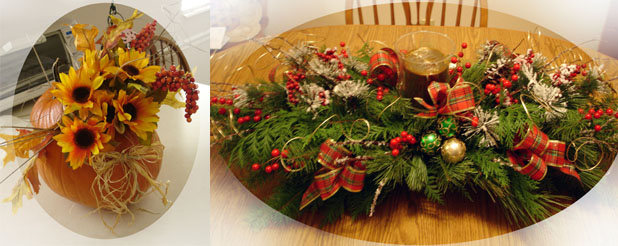



Flower History

Flowers such as roses, lilies and daisies are used in the expression of love, remembrance or apology on a day to day basis. All through the history of humanity, flowers have been playing a vital role as gifts and for expressing certain gestures. Greeks used to consider flowers to be important as they associated them with the gods. In the 1700s, the importance of flowers increased when French and English people visited Turkey and discovered the language of flowers. The visit gave meaning to the different types of flowers. Based on this, the Victorian culture gave meanings to all flower characteristics.
The Victorians lived in an era where emotions were not expressed. As a result, flowers became the acceptable means of expression. In the Victorian era, the arrangement, size and colour of flowers conveyed many meanings without people needing to say a word. The way in which a person held or presented a flower also held a lot of meaning. Books were written during this period to help people decode the meaning of flowers. What is expressed in emails and text messages today, could be conveyed using a single flower. Floral design messages also differ from some arrangements to the others.
The history of flower giving is still being written. Once upon a time, the idea of a woman giving flowers to a man was inconceivable. However, that has changed with time. There are many internet florists who find ways of delivering flowers to any location in the world. Moreover, there have been scientific advances which have made it possible to have a year-round supply of all flower types. Even if many people do not know what most flowers mean, they still give them out to show certain gestures. People mostly use flowers to convey various sentiments and to decorate their homes.
Frequently Asked Questions
Why is Fluoride Important?
Fluoride is a mineral that occurs naturally in all water sources, including the oceans. Research has shown that fluoride not only prevents cavities in children and adults, it also helps repair the early stages of tooth decay even before the decay is visible.
During childhood, when teeth are still forming, fluoride works by making tooth enamel more resistant to the acid that causes tooth decay. For adolescents and adults, the benefits are just as great. Fluoride helps repair or remineralize areas where the acid attacks have already begun. For older adults, fluoride has been effective in reducing tooth decay along the gum line (often called "root" caries).
What causes sensitive teeth?
Sensitive teeth is a common symptom among many people.
Sensitivity may be caused by cavities, fractures or worn tooth enamel and exposed roots.
How can I prevent sensitivity?
Brushing teeth correctly to prevent recession and thinning of the enamel and helps teeth form wearing.
Sensitive teeth can be fixes using Desensitizing toothpaste, fluoride gel, bonding to “seal” sensitive teeth and in severe cases root canals.
What are Sports Guard?
Sports guards are not something we always think about when you or your child are out on the field. An athlete is 60 times more likely to suffer harm to the teeth. When choosing a sports guard, find one that fits properly and comfortable, is resilient and tear resistant, easy to clean and doesn’t restrict speech or breathing. For more questions be sure to ask us at your next visit or call and make an appointment today.
How do I Care for Teeth During Pregnancy?
During Pregnancy, your hormone levels rise considerably. Gingivitis is especially common during the second through the eighth months of pregnancy. Gingivitis may cause red, puffy, or tender gums that tend to bleed easily. If serious enough it could lead to periodontal disease. It is important to brush thoroughly twice a day with a fluoride toothpaste and floss. Keeping a healthy diet while pregnant will help prevent tooth decay and keeps you and your baby healthy.
Baby
Never let your baby or toddler fall asleep with a bottle containing milk, formula, fruit juices, or sweetened liquids or a pacifier dipped in sugar or honey. Also pacifiers and thumbs are not good for your baby after age three. It can distort the way your child’s mouth may look.
Begin oral care early. Wipe the baby’s gums with a wet washcloth or a clean gauze pad after each feeding. Check your child’s teeth regularly as soon as the baby’s first tooth comes in. Letting a child chew on a very soft toothbrush helps clean their teeth.
What are the Warning Signs for Periodontal Disease?
- Gums bleed easily
- Red, swollen or tender gums
- Gums that have pulled away from the teeth
- Pus between the teeth and gums when gums are pressed
- Persistent bad breath or bad taste
- Permanent teeth that are loose, separating or changing positions
- Any change in the way your teeth fit together when you bite
- Any changes in the fit of partial dentures
- Exposed tooth roots?
If you see any of these, schedule an appointment today!
How do I care for Dentures?
Dentures must be properly cared for if they are to last a long time. They are very delicate. Handle them with care. (Brush your gums and roof of your mouth with a soft toothbrush to keep dead skin cells from building up.) Use a brush specifically made for dentures. Using an ADA approved denture cleanser is best. Other toothpastes may be too abrasive for the dentures.
Be sure to never let your dentures dry out. When not wearing them, place in a cleansing solution or water. Never use hot water, which can cause them to warp.
Ways to Keep Your Smile

Eat nutritious and balanced meals and limit snacks. Avoid carbohydrates such as candy, pretzels and chips, which can remain on the tooth surface. If sticky foods are eaten, brush your teeth soon afterwards.

Clean between your teeth daily with dental floss or interdental cleaners, such as the Oral-B Interdental Brush, Reach Stim-U-Dent, or Sulcabrush.

Drink fluoridated water. At least a pint of fluoridated water each day is needed to protect children from tooth decay.

Brush your teeth at least twice a day with a fluoride-containing toothpaste. Preferably, brush after each meal and especially before going to bed.